
Connecting Through Movement Across Irish Cities
How dance communities in Dublin, Cork, Belfast, and Limerick welcome newcomers. Building friendships and staying active through social dancing.

Why Dance Creates Real Connections
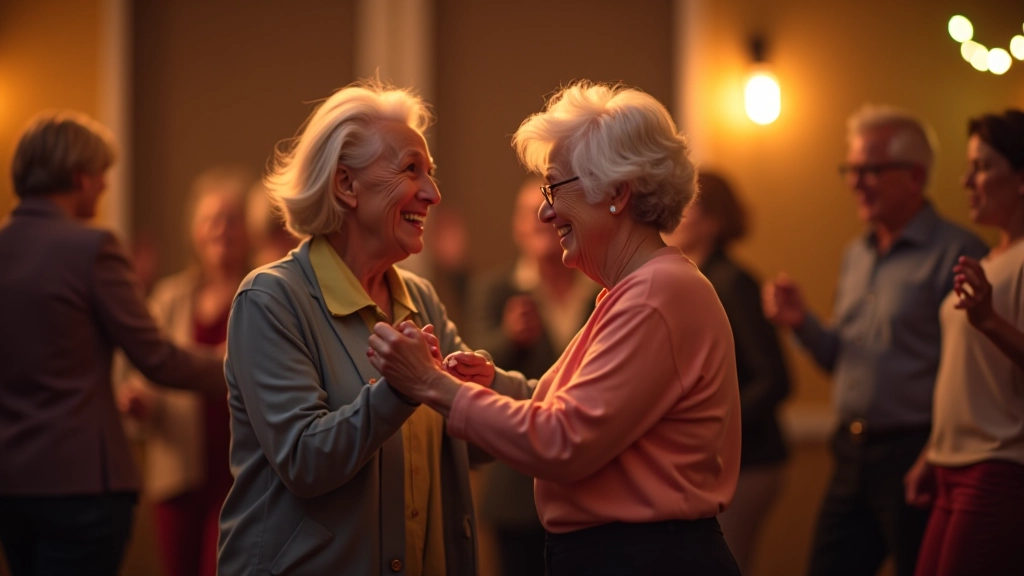
There's something special that happens when you step onto a dance floor. It's not just about moving to music — it's about being part of something bigger. Across Irish cities, from Dublin's bustling salsa scene to the intimate kizomba groups in Cork, dance communities are thriving. And they're welcoming everyone in.
We've talked to dancers, community organizers, and newcomers who've found genuine friendships through movement. What surprised most of them? It wasn't how complicated the steps were. It was how quickly they felt at home.
Dublin: The Hub Where Everyone Fits In
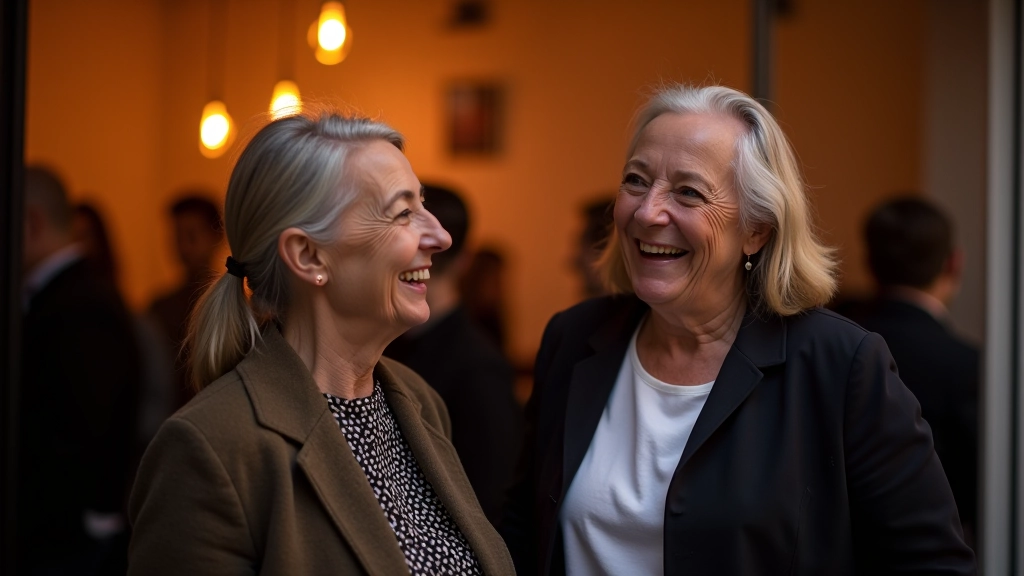
Dublin's dance scene is massive. You've got salsa nights happening almost every evening across the city — from the Southside to Stoneybatter. But here's what makes it work: the communities aren't cliquey. Whether you're a complete beginner or you've been dancing for years, you'll find your people.
Places like Copper Face Jacks and Pygmalion regularly host socials with dedicated beginner slots. And they're not rushed through. A typical evening gives you a solid 3-4 hours on the floor, starting with basics around 8pm and building up. Most groups have a core of 40-60 regulars, but newcomers show up every week and they're never left standing alone.
Real talk: Don't expect it to feel natural the first time. But by week three or four, you'll start recognizing faces. By week eight, people will be asking where you've been if you miss a session.
About this guide: This article provides educational information about dance communities and social dancing opportunities in Irish cities. Event schedules, venues, and community details may change. Always check directly with venues or community organizers for current information before planning a visit. Dance is a physical activity — consult a healthcare provider if you have concerns about your fitness level.
Cork: Intimate Groups, Genuine Connections
Cork's dance community has a different feel. It's smaller, more intimate. You'll find kizomba workshops happening regularly — that slow, sensual partner dance that's become huge here. Classes typically run for 8-week cycles with 15-20 people per session. Not enormous, but big enough to have variety.
What we've heard repeatedly from Cork dancers is that the instructors actually know everyone's name. They'll remember you struggled with your basic step last week and check in on your progress. That's not typical everywhere. The community hosts monthly socials where people from different classes mix, and friendships form naturally from there.
Plus, Cork's got brilliant cafés nearby where dancers grab coffee after sessions. That's where the real bonding happens — talking about how the music made you feel, asking about someone's week, making plans to grab lunch before the next class.
Belfast: Breaking Barriers Through Movement
Belfast's dance scene is particularly special because it's genuinely inclusive. There's no gatekeeping here. Community centers, church halls, and dedicated studios host everything from merengue to bachata to contemporary styles. Sessions are deliberately welcoming to people from all backgrounds — and that matters.
The city runs organized beginner programs through the winter months, usually Tuesday and Thursday evenings. Groups typically have 25-35 participants, split into absolute beginners and those with a few weeks' experience. By spring, many of these beginners are attending the outdoor summer festivals together — having formed actual friendships.
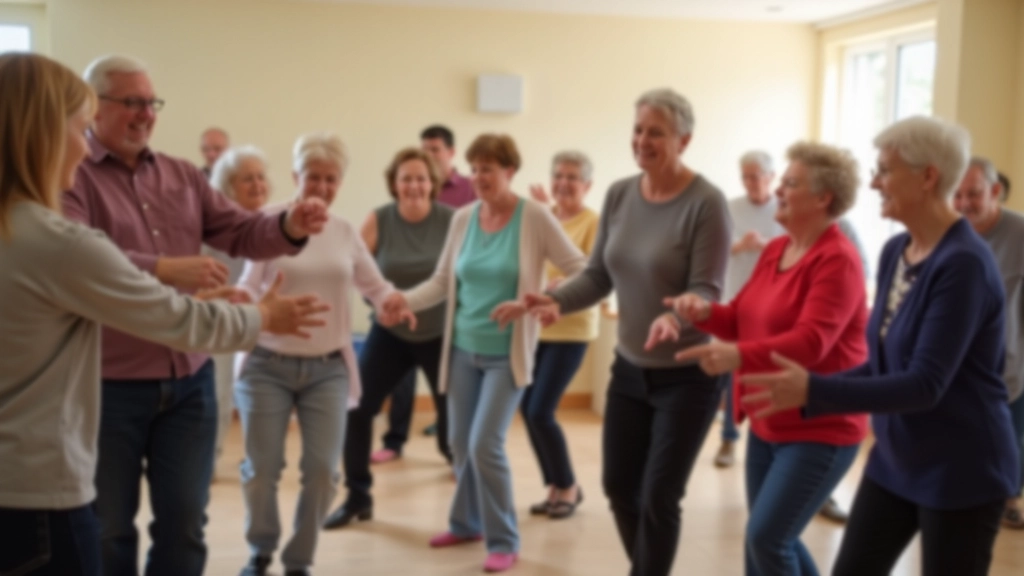
Key insight: Belfast dancers mention that age genuinely doesn't matter here. You'll see people in their 60s learning alongside those in their 40s, and everyone's treated with equal respect and encouragement.
Limerick: Where Tradition Meets Community
Limerick's approach is different. While they've definitely embraced Latin styles, there's also a strong thread of traditional and contemporary dance woven in. The community organizes quarterly dance festivals that blend styles — you might see salsa followed by swing, then contemporary. It keeps things fresh.
What makes Limerick special is how deliberate they are about creating space for newcomers. Every social has a 30-minute open practice session before the actual dancing starts. That means if you're nervous, you can get comfortable with the music and the space without the pressure of a full dance floor. By the time the social kicks off, you're already feeling part of things.
The organizers also make a point of mixing people up. They'll introduce newcomers to experienced dancers specifically so you're not dancing with just your friend all night. It feels intentional, and it works.
Making Your First Steps Count
Whether you're heading to Dublin, Cork, Belfast, or Limerick, here's what actually helps when you're starting out:
Go Early
Show up 10-15 minutes before things officially start. You'll see the space, chat with organizers, and feel less rushed when the floor opens.
Wear Comfortable Clothes
You don't need special dance clothes for socials. Smart casual works fine — just something you can move in. Shoes that allow pivot movement matter more than how you look.
Say Yes to That First Dance
When someone asks you to dance, say yes — even if you're nervous. The actual dancing is the easy part. The hard part is getting yourself there, and you've already done that.
Come Back the Second Week
That's when the magic happens. You'll recognize faces. Someone will ask how your week was. You'll feel like you belong.
The Real Reason Dance Communities Matter
It's not about becoming an amazing dancer. That happens naturally if you keep showing up. What actually matters is that you're part of a community where people care about you showing up. Where you're missed if you're gone. Where someone will help you learn that step you're struggling with because they want you to feel confident.
Across Dublin, Cork, Belfast, and Limerick, that's exactly what these communities offer. They're spaces where you can be yourself, move your body, hear great music, and build real friendships with people you might never have met otherwise. You don't need to be good. You don't need special equipment. You don't even need to have danced before.
You just need to show up.
Ready to Get Started?
Explore other guides to find the perfect first event for your city and style.
Browse All Dance Events