Outdoor Summer Dance Festivals Across Ireland
Annual festivals happening this summer featuring live bands, multiple dance styles, and outdoor spaces perfect for moving at your own pace.

Why Outdoor Festivals Matter This Season
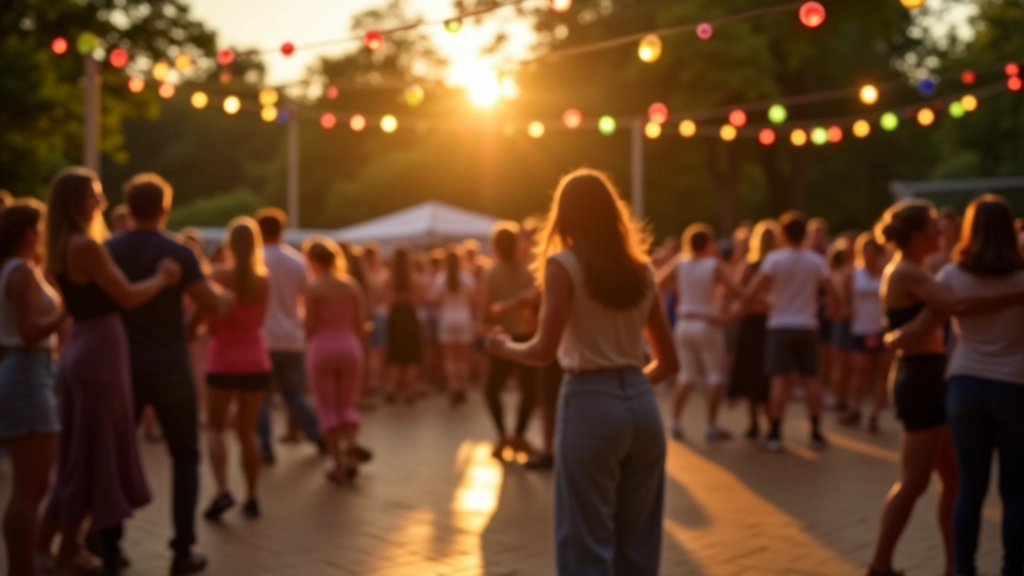
Summer's the best time for dancing outdoors. You've got natural light, fresh air, and that special energy that comes with festivals happening across Ireland. Whether you're looking for your first outdoor experience or you've been dancing for years, there's something genuinely different about moving under the open sky.
The festivals running this summer aren't just about the dancing either. They're community events where you'll meet people who share your passion, hear live musicians who really understand rhythm, and experience dance styles you might not encounter in a studio setting. It's where casual dancers and serious movers come together.
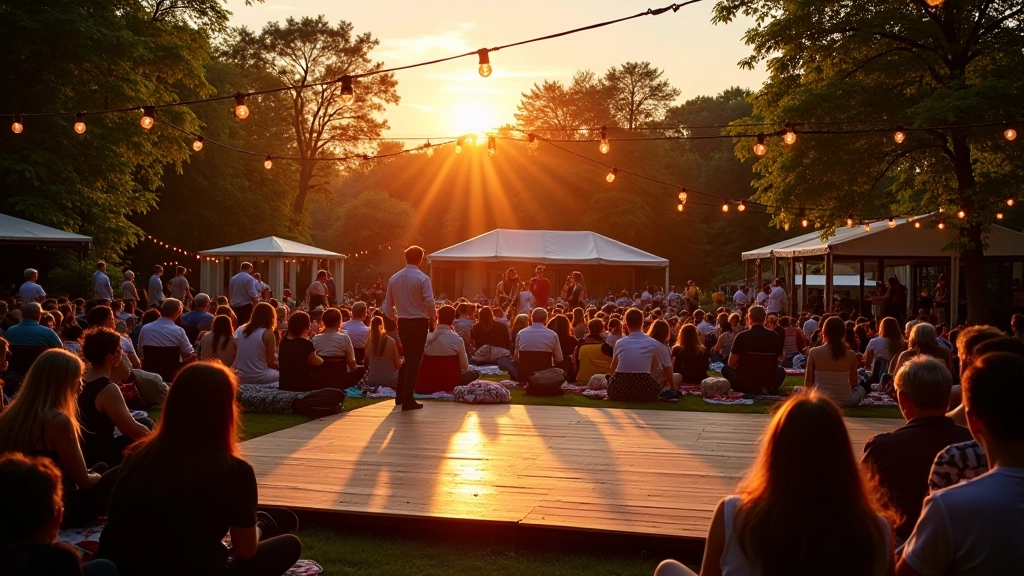
The Major Festivals You Should Know About
Ireland's got at least 8-10 major outdoor dance festivals running between June and September. Each one has its own character, music style, and community vibe.
Cork Latin Dance Festival (June)
Three days in early June in Bishop Lucey Park. You'll find salsa, bachata, and reggaeton across multiple outdoor stages. They've got workshops during the day (9am-5pm) and dancing at night. First-timers can jump into beginner sessions without any pressure. The festival draws about 800-1000 people daily, and the energy's infectious. There's food vendors, local craft stalls, and plenty of seating if you want to watch for a bit before joining in.
Galway Summer Beats
Mid-July, Salthill Promenade. Beach setting with live bands. Mostly salsa and merengue. Evening sessions start at 6pm.
Dublin Dance Under Stars
Late July, Merrion Square. Mixed styles including contemporary and Latin. Multiple stages. Daytime family workshops plus evening social dancing.
Belfast Rhythm Festival
August, Custom House Square. Three-day event with Caribbean and Latin focus. Live reggae bands nightly. Community-focused with accessible beginner areas.
What Actually Happens at These Festivals
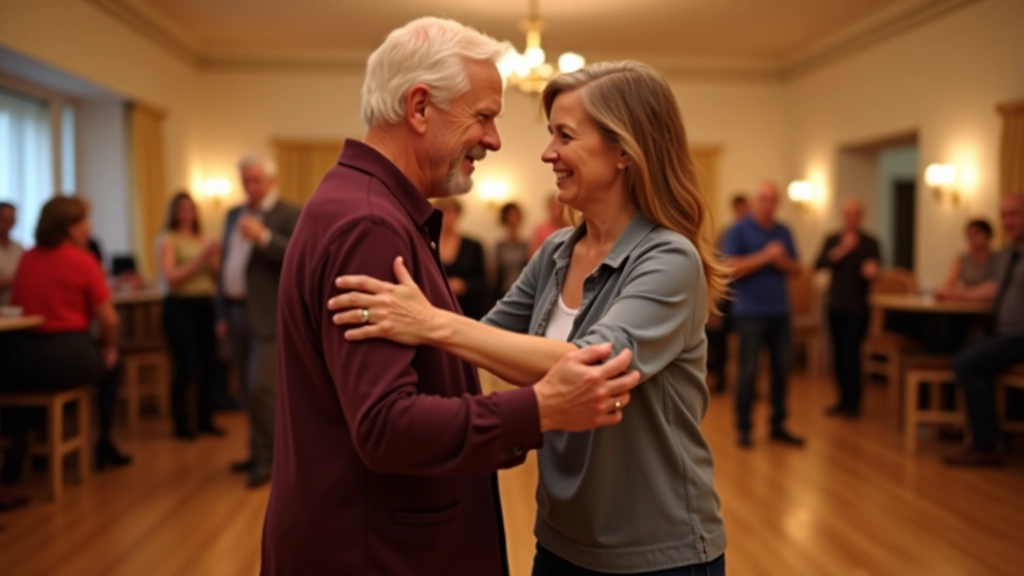
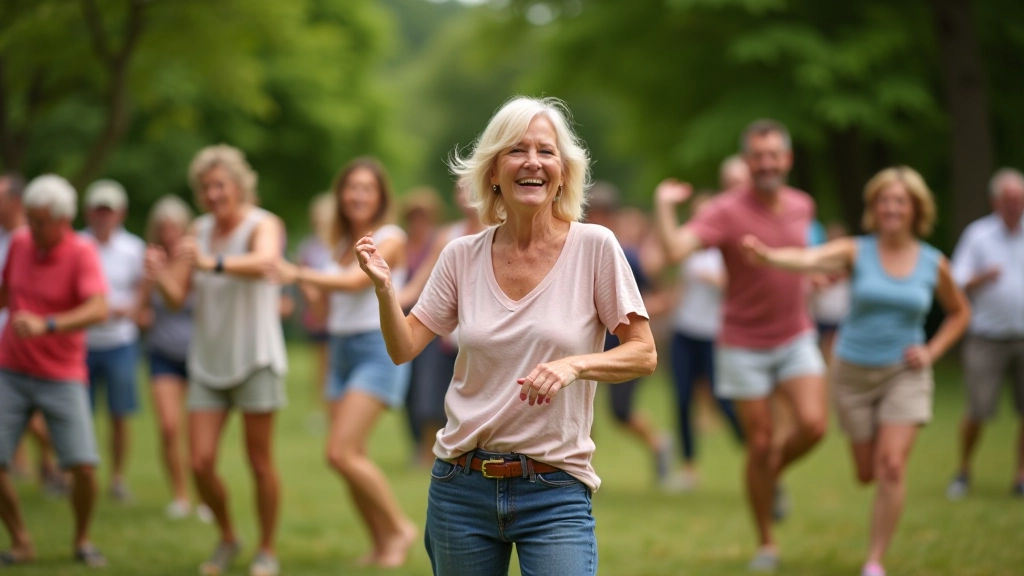
Don't think you're showing up to a packed concert where you sit and watch. These festivals are participatory. You'll see designated dance floors (usually 20x30 meters minimum) with music playing, people of all skill levels moving, and lots of room for spectators. Most run from early afternoon (2-3pm) through late evening (10-11pm). There's always a mix: some people dancing seriously, others just swaying and having fun. It's genuinely welcoming to newcomers because the whole point is participation.
Planning Your First Festival Experience
If you're thinking about attending but you're not sure where to start, here's what you actually need to know. It's simpler than you'd think.
Pick a Festival That Fits Your Schedule
Check the dates and location. Most festivals have free entry to watch, though dancing areas might have small fees (€5-15 typically). Start with one that's closest to you geographically.
Dress Comfortably (You're Not Going to a Nightclub)
Wear whatever you'd wear to move around outside. Jeans work. Casual pants work. Shorts work. Bring a light layer because outdoor venues get breezy in the evening. Shoes that let you pivot are better than sandals, but honestly, people dance in all kinds of footwear.
Arrive Early, Watch First
Get there in the early afternoon when it's less crowded. Sit for 20-30 minutes, watch how people interact, see what the music style's like. This takes pressure off. You'll see beginners dancing, experienced dancers dancing, and everyone's having a good time.
Join When You Feel Ready (No Rush)
You don't have to join immediately. Some people watch for an hour first. Some jump in after 10 minutes. Either's completely normal. When you do step onto the floor, you're among people who want to dance with everyone, not just advanced dancers.
What Music You'll Actually Hear
The music changes depending on which festival you attend. That's part of what makes each one unique.
Salsa & Bachata
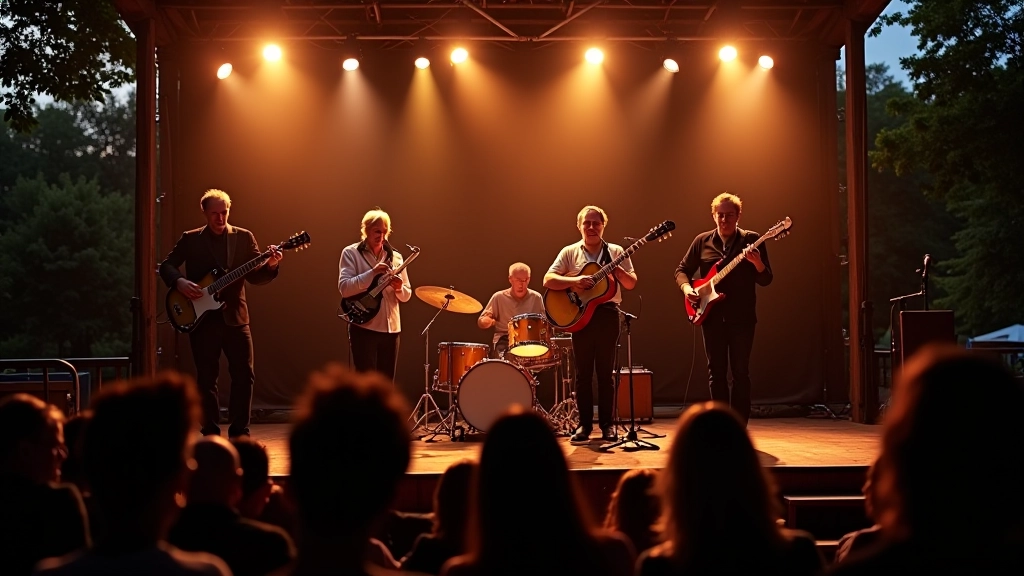
You'll find this at almost every festival. Live salsa bands are common—typically 5-8 piece ensembles with brass section, piano, bass, and congas. It's energetic and structured. Bachata's slower, more intimate. Both are beginner-friendly because the rhythm's consistent and partners are expecting all skill levels.
Reggae & Caribbean Styles
Belfast and some Galway festivals feature reggae, dancehall, and soca. The movement's less structured than salsa—you're basically moving to the rhythm in whatever way feels right. It's freeing if you've never danced before because there's no "wrong way" to do it.
Contemporary & World Music
Dublin and Cork festivals often include contemporary electronic music and world fusion acts. Less about partner dancing, more about individual expression. Perfect if you're still figuring out what style resonates with you.
Things That Actually Make a Difference
Small details change your experience from "okay" to "I want to come back next month."
Sun Protection
You're outside for hours. Sunscreen, hat, or umbrella matters. Even in Ireland, you'll feel the sun when you're active. Bring SPF 30+ minimum.
Stay Hydrated
Bring water. Seriously. Dancing outside + summer heat = dehydration sneaks up. Most festivals have water stations but they get crowded. Bring your own bottle.
Have a Place to Rest
Bring a blanket or claim a spot with seating. You don't need to dance continuously. Sitting for 15 minutes between sets is normal. Having a "home base" makes everything more comfortable.
Go With Someone (Or Not)
If you're nervous, bringing a friend helps. But don't feel like you have to. Solo festival-goers are everywhere and people are genuinely welcoming. You'll meet new people within 30 minutes.
Minimal Bag
Keep valuables minimal. A small crossbody bag works better than a large backpack when you're moving around. Pickpocketing's rare at these events but why take chances.
Share Your Location
If you're going solo, tell someone where you'll be and when you expect to be home. It's sensible, especially for evening sessions.
What You're Really Getting: Community
Here's the thing nobody tells you about outdoor festivals: it's not actually about the dancing. Well, it is. But it's more about belonging.
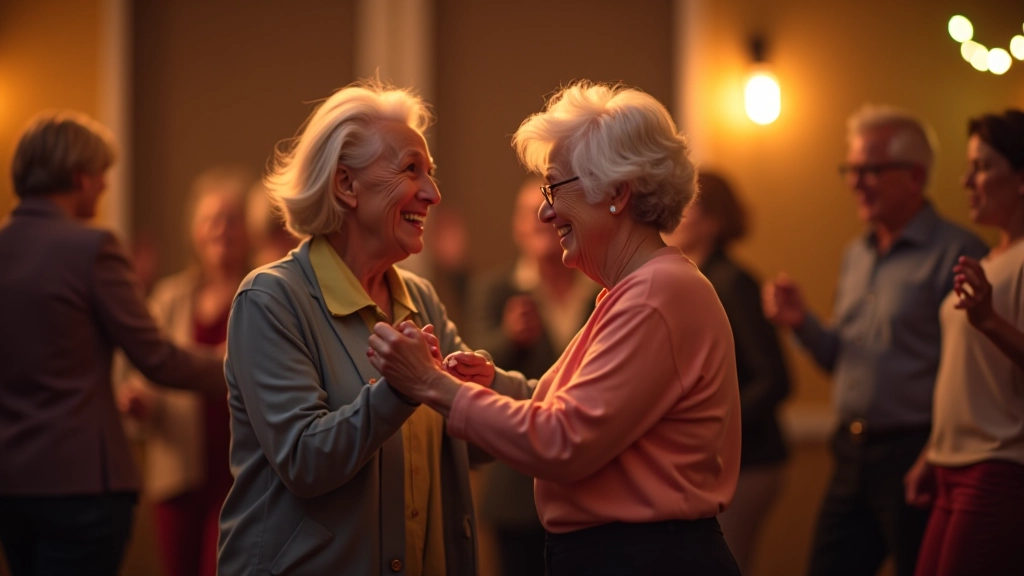
You'll see people who've been coming for 15 years greeting newcomers like they're old friends. You'll notice dancers stopping mid-song to help someone who's lost the rhythm. You'll watch strangers dance together for a song, exchange a smile, and move on. It's genuinely different from what you get in a crowded club or even a studio class.
The outdoor setting matters too. When you're dancing under natural light, surrounded by trees or water or open sky, something shifts. You're less self-conscious. You're more present. You actually enjoy the movement instead of worrying about whether you look okay.
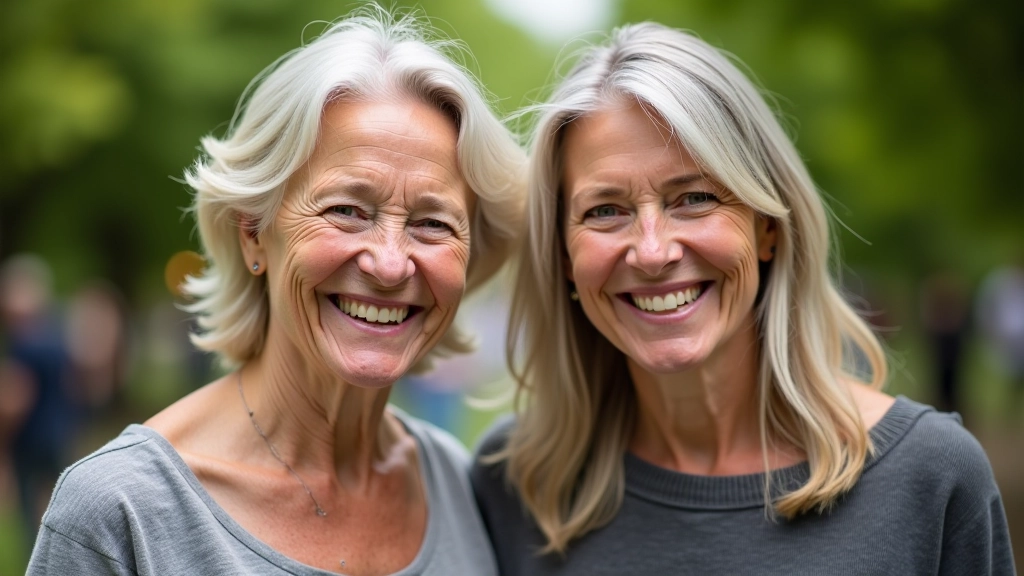
Many people who attend festivals regularly tell us the same thing: "I came for the dancing, I stayed for the people." By August, you'll recognize faces. You'll have favorite musicians. You might've made actual friends. That's what keeps people coming back year after year.
Your Summer Awaits
Outdoor dance festivals across Ireland this summer aren't intimidating or exclusive. They're genuinely welcoming spaces where all skill levels belong. Whether you've never danced or you've been moving for decades, there's a place for you.
Start by picking one festival that works with your schedule. Show up in the afternoon. Watch for a bit. Join when it feels right. Bring water. Have fun. That's it. You don't need special training or previous experience. You don't need to look a certain way or move a certain way. You just need to show up and be willing to move.
Come June, you'll see festival listings everywhere. Cork's festival kicks off first. Then Galway. Then Dublin. Belfast in August. If you're on the fence, push yourself to go to at least one. You'll be glad you did.
Want to explore more about connecting with dance communities across Ireland?
Learn How to Find Your Local CommunityInformational Note
This guide is informational and educational in nature. Festival dates, locations, and schedules may vary year to year. Always verify specific details directly with festival organizers or their official websites before attending. Physical activity involves inherent risks—consult with your healthcare provider before participating in any new physical activities, especially if you have existing health conditions. Event details and availability are subject to change.
Explore More Dance Events